
A DIY backyard fire pit project starts with deciding how much of your outdoor space you want to change. You may need a fire pit and a small seating area, or you may be planning a new patio around a permanent gathering spot.
Before buying materials, choose a suitable location and compare kits whose installation requirements fit your project. Include the surrounding surface and seating in the plan from the beginning.
Miller Brick supplies wood-burning fire pit kits, gas options, and hardscape materials for Rochester-area homeowners. Those options provide a starting point for a project you can assess before committing to the work.
Choose a DIY Fire Pit Kit For Your Backyard
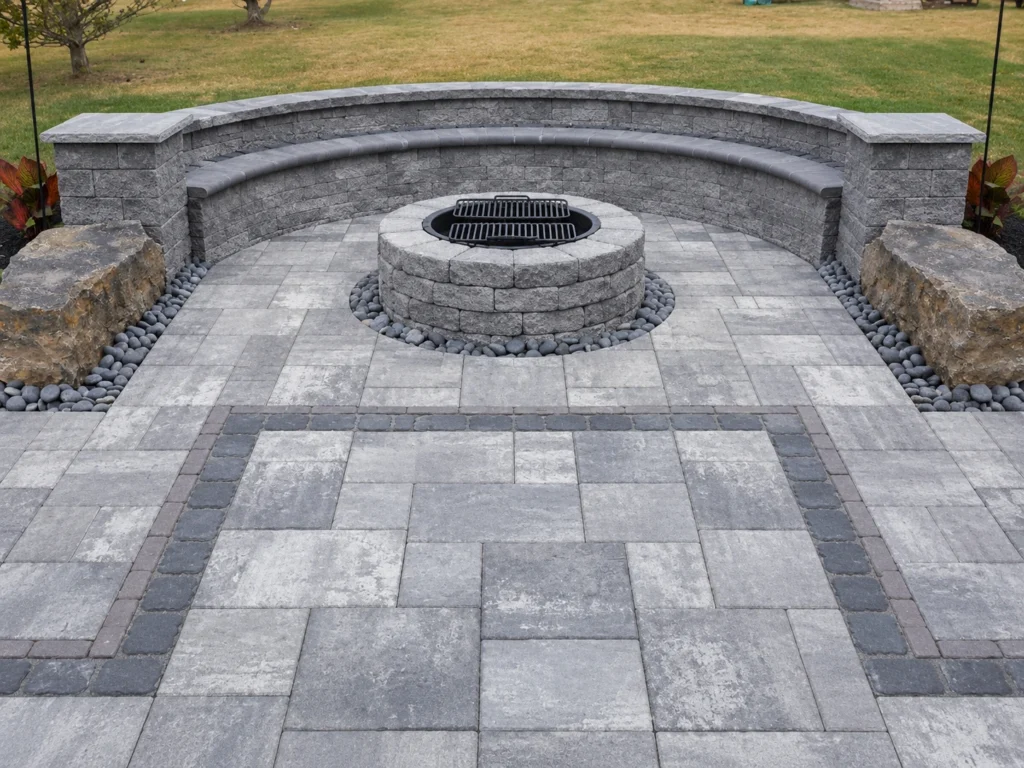
A fire pit kit is worth considering if you want a defined product to build your project around. Miller Brick carries wood-burning kits from Belgard, Cambridge, Techo-Bloc, and Unilock, with different finishes, block sizes, styles, and colors.
Many of these kits are designed for homeowner installation with standard masonry tools. The instructions for the particular kit should guide your decision, including whether the preparation and assembly suit the work you can undertake.
Compare appearance and installation requirements together. A kit that looks right for your backyard still needs an appropriate location and base. Explore Miller Brick’s DIY fire pit kits before choosing the surrounding materials.
Simple Ideas for Fire Pit Area
The gathering area helps determine how the finished project looks and feels. These combinations use materials and layout guidance published by Miller Brick.
Classic Paver Setting
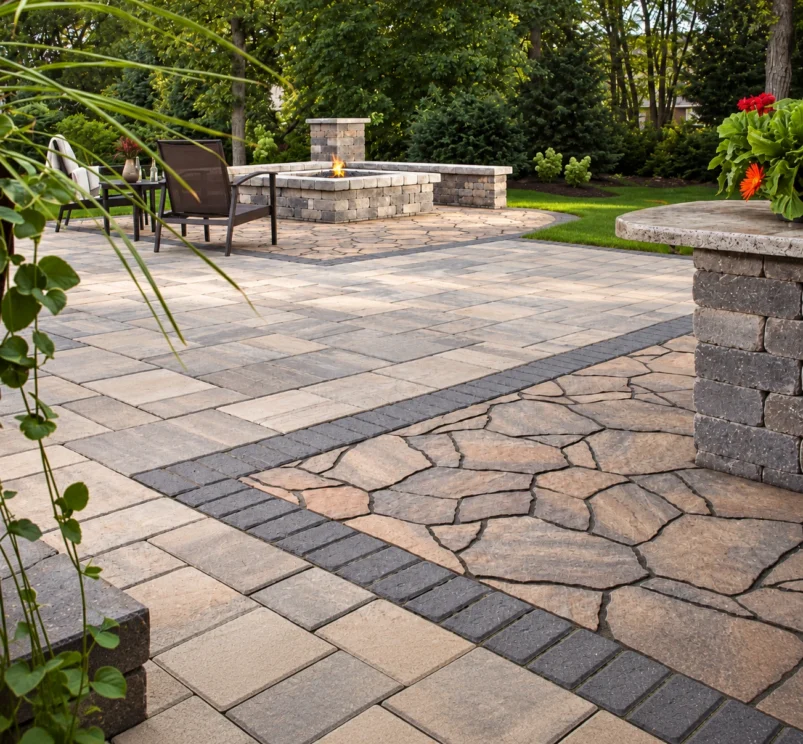
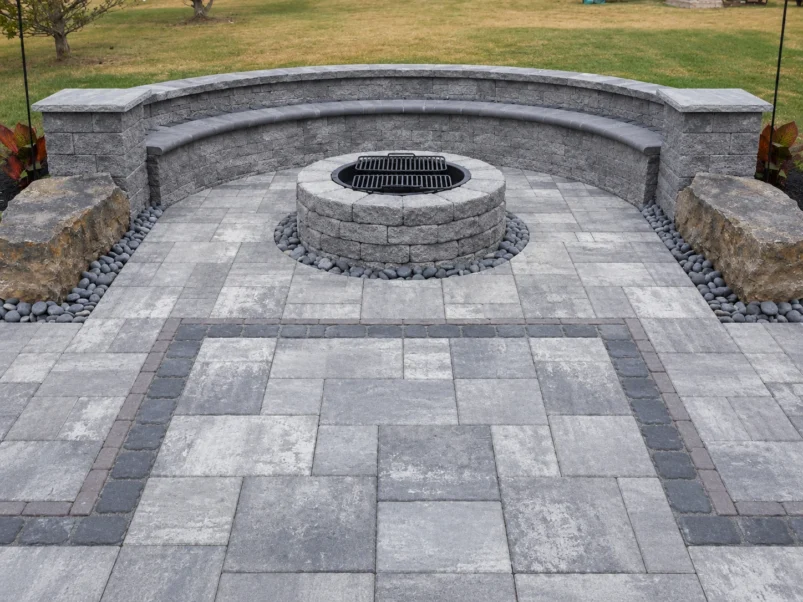
Compare a wood-burning kit with brick-style or cobblestone-style pavers for a traditional backyard setting. View the paving and fire pit blocks together so you can judge their colors, textures, and scale.
This is a design direction to explore rather than a fixed package. The selected kit’s requirements still determine how it should be installed.
Natural Stone Surroundings
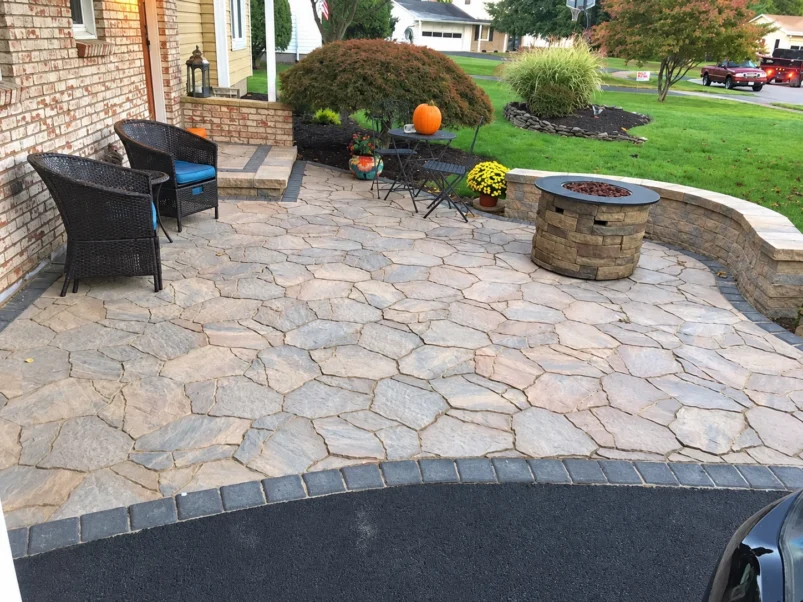
Natural stone offers texture and variation for the area around the fire pit. Compare it with the proposed surround and nearby landscaping to see whether the combination suits your backyard.
Confirm the stone’s suitability for the intended use, including heat exposure, stability, and surface finish. Appearance alone does not establish installation suitability.
Flexible Chair Layout
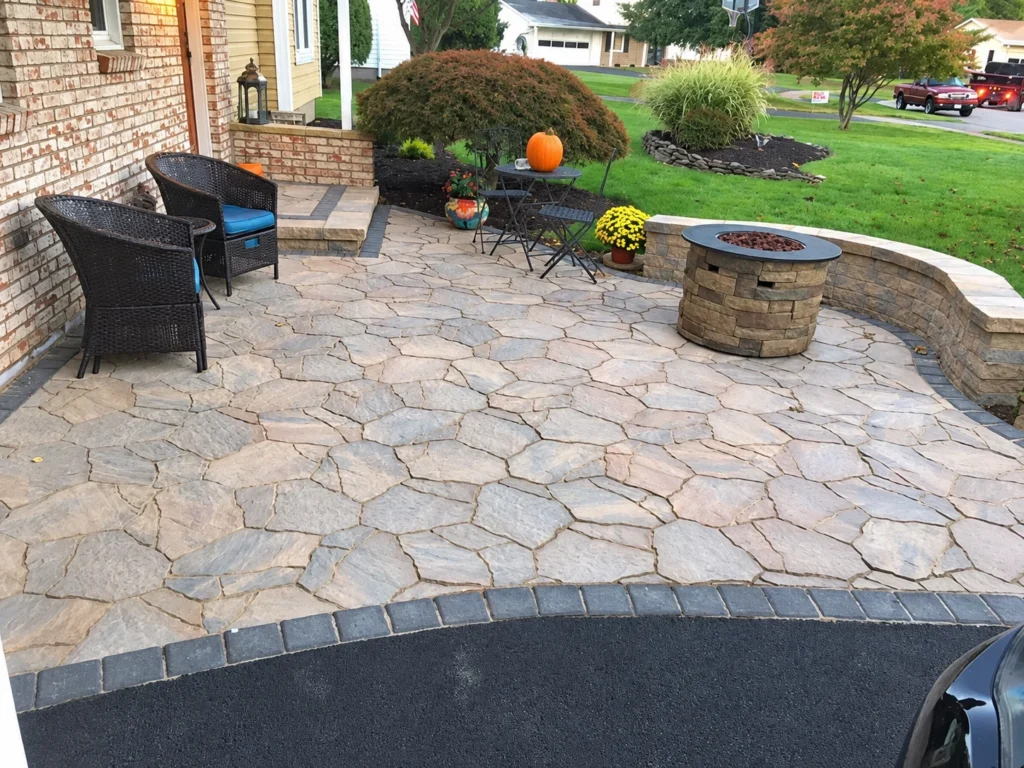
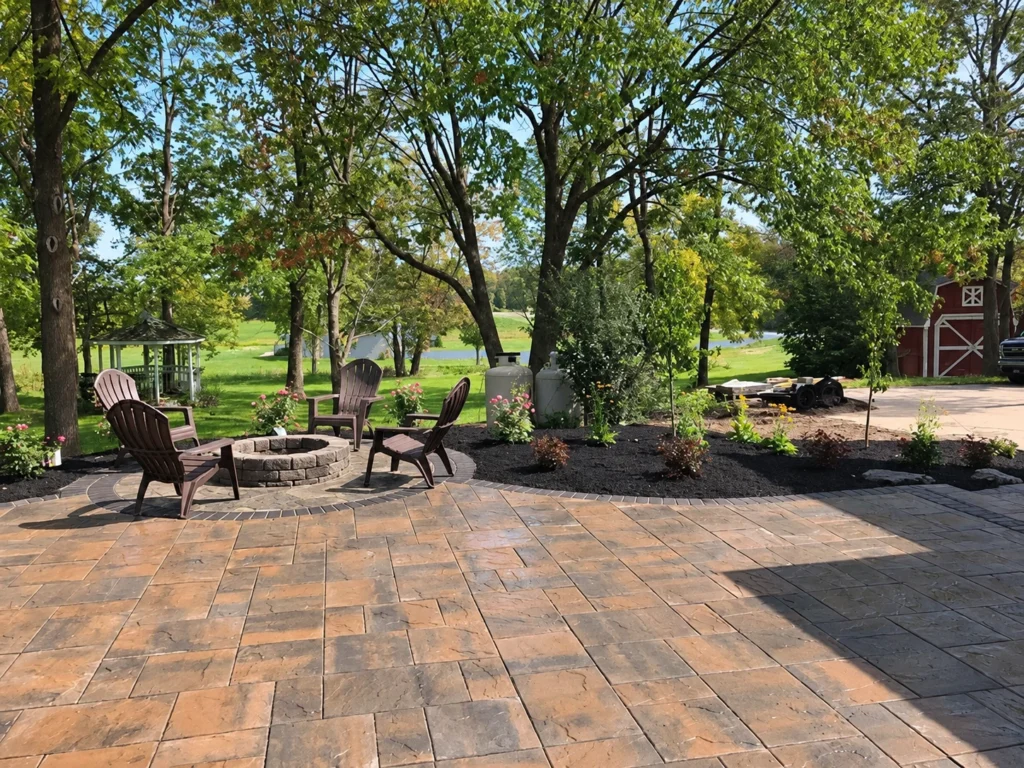
Movable chairs give you an adjustable seating arrangement. Set them around the proposed fire pit position before deciding how large the gathering area needs to be.
Check the layout with people seated. Leave the walking room behind the chairs and keep the approach from the house clear.
How Much the Published Cost Ranges for a Backyard Fire Pit?
Miller Brick’s buying guide gives broad market ranges for different fire features. These can help you understand how project types differ, but they are not prices for Miller Brick’s DIY kits or a quote for your backyard.
The guide describes these general ranges:
| Fire feature | Published cost guidance |
| Simple portable steel fire pits | Well under $200 |
| Mid-range fire tables and cast-iron fire pits | Mid hundreds to low thousands |
| Fully built-in gas features with a trenched line and masonry surround | Can reach well into five figures with materials and installation |
The page does not provide a fixed price for a Belgard, Cambridge, Techo-Bloc or Unilock kit. Ask for current product pricing before using a figure in your project budget.
Read Miller Brick’s fire pit buying guide for the context behind these ranges.
Budget for the Complete Project
The fire pit is only one part of the project. Before ordering, account for the preparation, surrounding materials, and any professional work your selected kit needs.
- Kit and components: Confirm the current price and what is included with your chosen fire pit kit. Ask whether any additional components are required so you can account for them before ordering.
- Site preparation: Check whether the proposed location needs preparation to meet the kit’s installation requirements. Include any necessary surface or base work in your budget.
- Surrounding materials: Account for the paving or stone you plan to use around the fire pit. Base the material plan on the seating area and walking space you need.
- Tools and delivery: Review the kit’s instructions to identify the required tools and discuss delivery arrangements with Miller Brick. Confirm any applicable costs before finalizing your budget.
- Professional work: Identify which parts of the project you can handle and which need a contractor. Include professional installation costs where needed, particularly for gas hookups or larger builds.
Confirm these details before treating the kit price as the total project cost.
Decide the Location Before Planning Your Build
Mark the proposed spot before selecting the final kit. Miller Brick recommends considering clearance, overhead hazards, wind direction, drainage, and movement through the backyard.
Observe the area during the hours you expect to use it. Smoke drifting toward doors or seating can make an otherwise attractive location uncomfortable.
Keep the fire pit out of main walking routes and follow the selected product’s instructions and applicable local requirements. Miller Brick’s backyard fire pit placement guide covers these checks in more detail.
Check the Base and Existing Patio
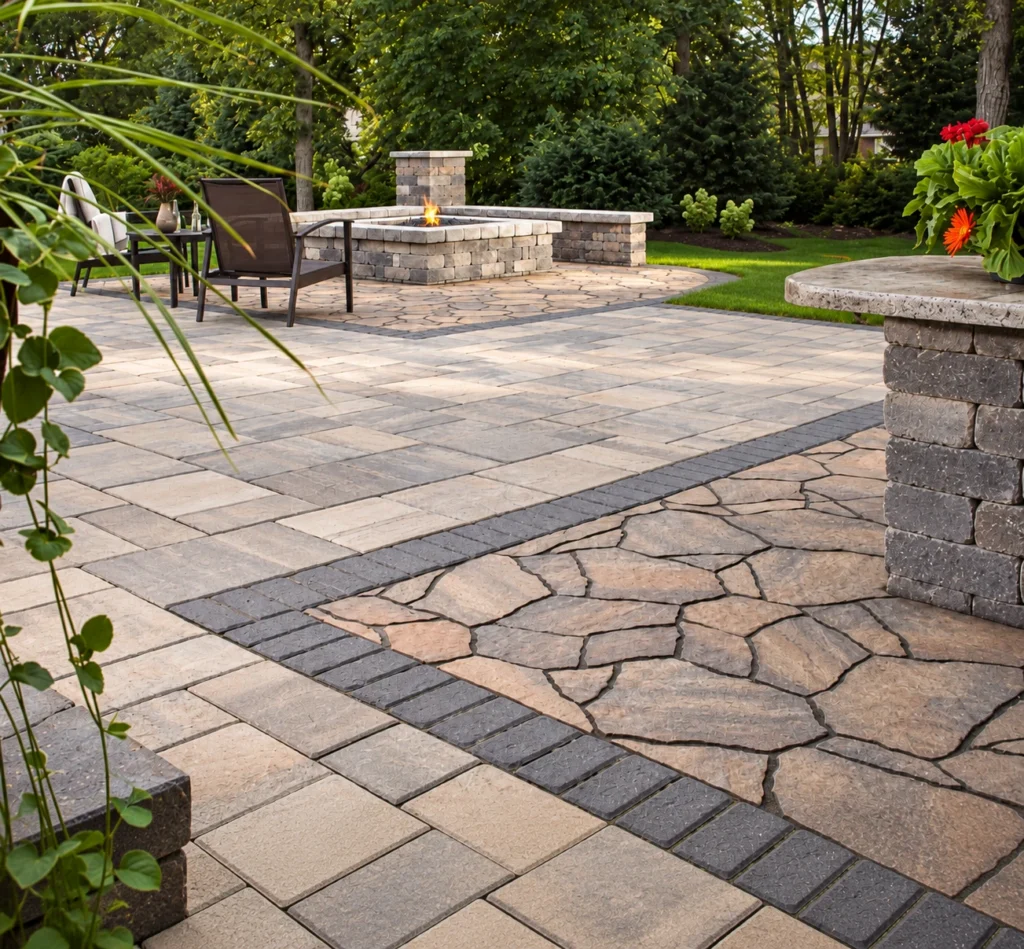
A DIY fire pit needs a stable, level, noncombustible base. Heat exposure, weight, and drainage also affect suitability.
If you already have a paver patio, review it against the selected kit’s requirements. Existing paving does not automatically establish that a fire pit can be installed without changes.
A gravel gathering area is another layout option discussed by Miller Brick, but it needs to be level, contained, and compacted. Choose the surface around the product and site conditions rather than assuming one material suits every build.
Follow the Instructions for Your Kit
If you are wondering how to build a fire pit in your backyard, begin with the instructions for the product you intend to use. They provide the basis for assessing the work.
Review the required preparation, assembly, materials, and tools before purchasing. Resolve any unclear requirements before starting the build.
A general inspiration article cannot replace those instructions. Different kits should not be treated as sharing one construction method.
When Your Fire Pit Project Needs a Contractor
Homeowner-friendly kits and gas installations involve different work. Miller Brick recommends an authorized contractor for larger builds, gas line hookups, and HPC commercial-grade inserts.
An HPC insert contains the burner and ignition system for a separately constructed base. An enclosure includes the surround and burner, reducing the construction involved compared with building a separate base.
Miller Brick supplies materials and can recommend contractors familiar with its brands. Include installation needs when comparing products.
Compare Your Options at Miller Brick
Bring backyard photographs, rough measurements, and your intended budget range to Miller Brick’s Rochester showroom. Compare fire pit finishes with the paving or stone you are considering.
You can explore Miller Brick’s patio paver options before visiting, then review the materials in person. Confirm the selected kit’s requirements and current price before ordering.
FAQ
Do I need to remove ash from a wood-burning fire pit?
Wood-burning fire pits need regular ash removal to keep airflow clear, according to Miller Brick. Include ash cleanup in your maintenance routine and follow the care instructions for your selected kit.
Can I use my DIY fire pit for cooking?
Some wood-burning fire pits can be used for cooking with a suitable grate. Miller Brick recommends choosing a model sold with a grill-grate accessory if cooking is important to you. Check the product’s instructions before cooking; gas fire pits and fire tables generally are not intended for direct food preparation.
Should I cover my fire pit during winter?
Miller Brick recommends a fitted waterproof cover for metal fire pits during the off-season to reduce moisture exposure and rust. A cover can also help reduce soot staining on stone and concrete fire tables. Follow the care instructions for your particular fire pit and its components.
What can I burn in a wood-burning fire pit?
Miller Brick’s placement guide identifies charcoal or dry, clean, untreated and unpainted wood under the New York State guidance it discusses. Do not burn leaves, trash, painted wood, treated wood or construction debris. Follow your fire pit’s instructions and check local restrictions before use.