

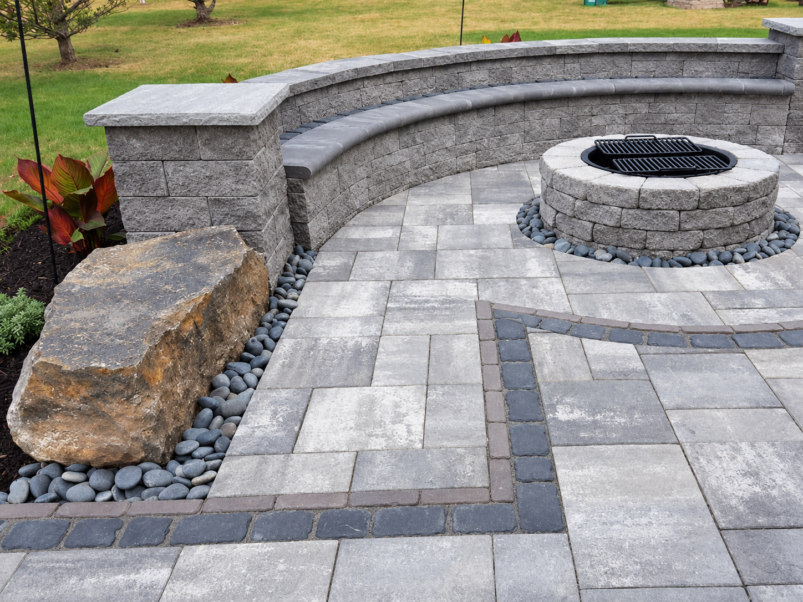
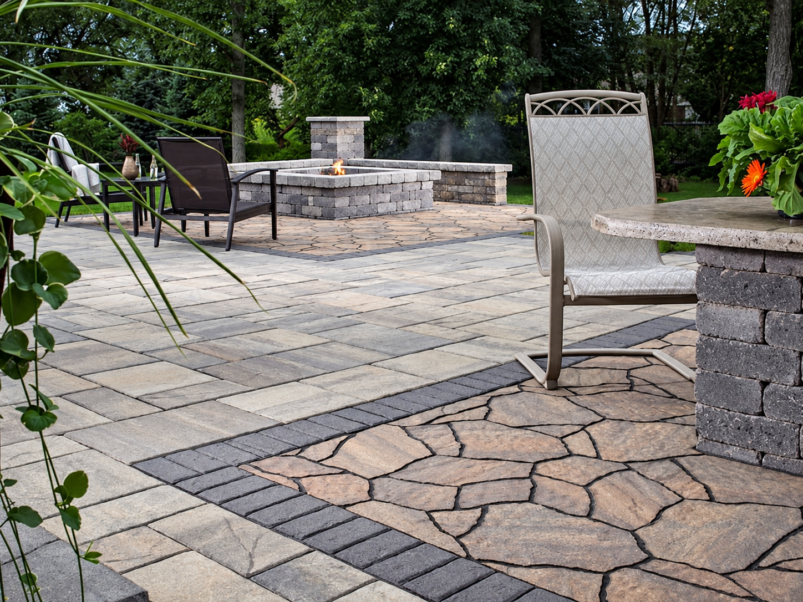
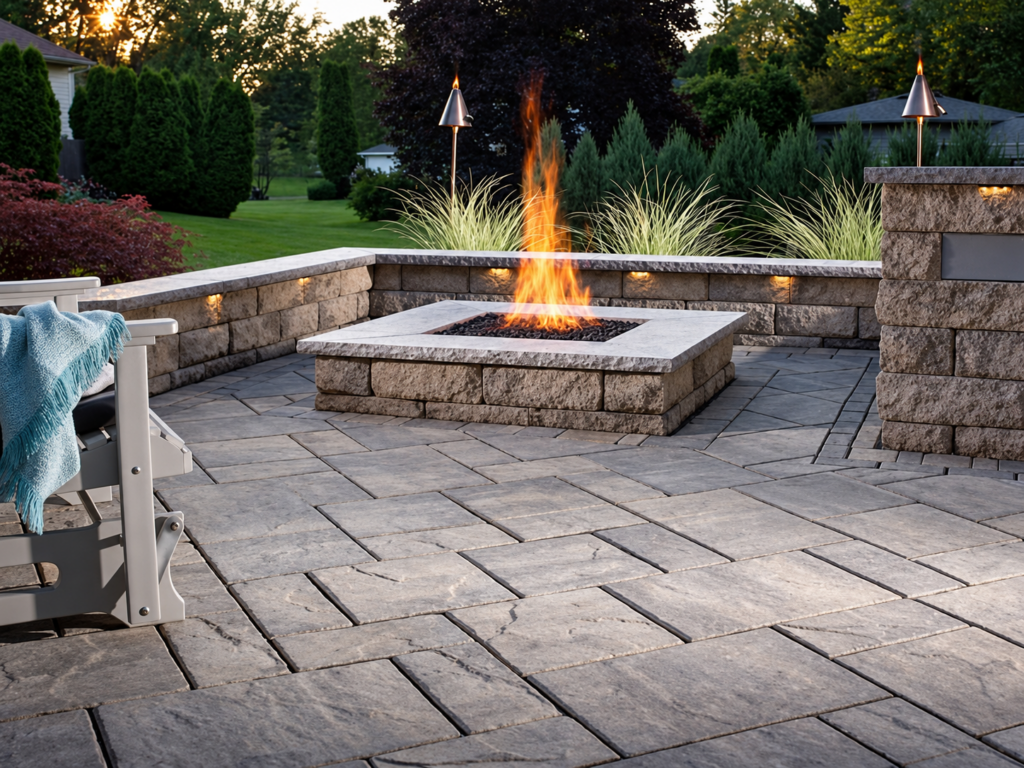
You already have a paver patio and now you want a fire pit without rebuilding the space. Before choosing a kit, check whether the patio’s surface, base, and layout suit the fire pit you have in mind.
Miller Brick identifies concrete pavers as a suitable option for many fire pit areas when the correct base and manufacturer guidance are followed. That does not mean every kit can sit directly on every existing patio. The selected product and the condition of your space determine what preparation is needed.
Check the Patio Before Choosing a Kit
Before choosing a fire pit, review the patio you already have. Its appearance is only part of the picture. Miller Brick’s paver guidance highlights the importance of the base, drainage, edging, and joint materials in how the finished surface performs.
Pay attention to these details:
- Base preparation: Find out how the patio was built. The foundation underneath the pavers affects the finished surface.
- Drainage: Consider how water moves through the proposed fire pit area before ordering materials.
- Edging: Review the patio’s edges, which help keep the paving pattern stable and in place.
- Joint materials: Include the condition and maintenance of the joints in your project discussion.
If you do not know how the patio was installed, explain that to your contractor. Reviewing these details first helps you understand whether preparation is needed before adding the fire pit.
Find Out Whether the Pavers Can Stay
The key question is whether your existing patio meets the selected fire pit’s requirements.
Miller Brick’s guidance calls for a stable, level, noncombustible base and consideration of heat, weight, drainage and freeze-thaw conditions. It does not establish a universal installation method for keeping every existing paver in place.
Before ordering, review the specific product instructions with your installer. Confirm whether the current surface and base are suitable or whether preparation is needed in the proposed location. That is the point at which you can determine how much of the patio can remain unchanged.
Choose Between Wood-Burning Kits and Gas Options
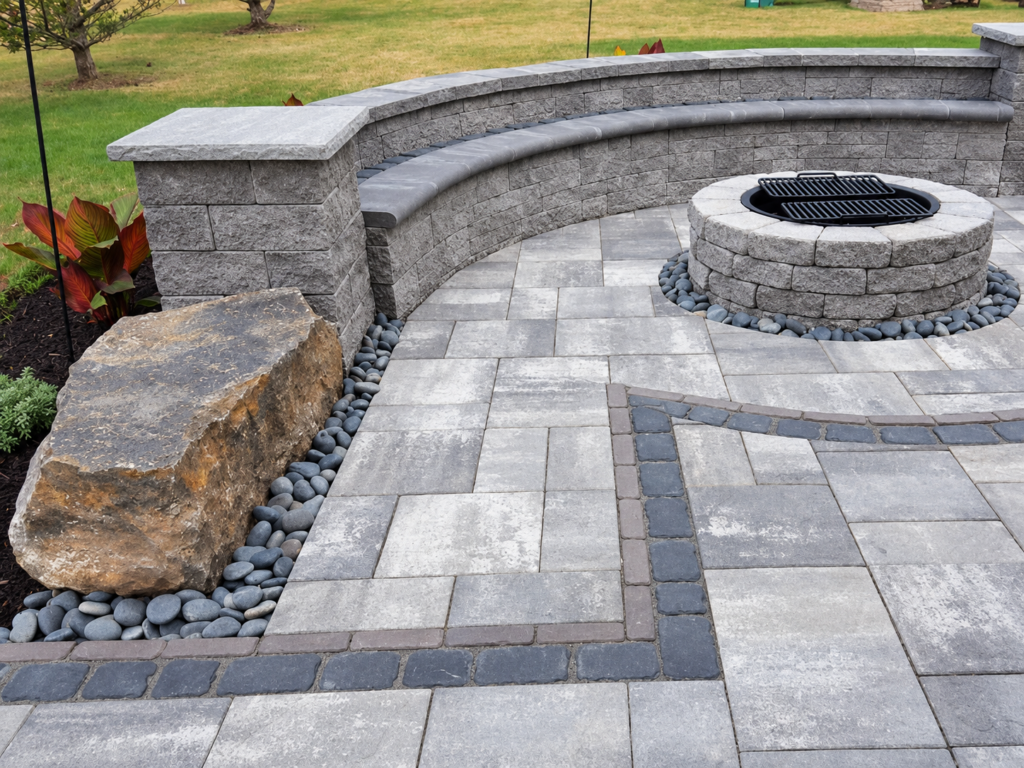
Miller Brick supplies both wood-burning and gas fire pits. The choice affects the construction involved and how you will use the finished space.
Wood-Burning Fire Pit Kits
Miller Brick carries kits from Belgard, Cambridge, Techo-Bloc and Unilock. These brands offer different finishes, block sizes, styles and colors, giving you options to coordinate with your existing hardscape.
Wood-burning pits need regular ash removal to keep airflow clear. Consider that upkeep alongside the appearance of the kit when comparing options.
Gas Fire Pit Inserts and Enclosures
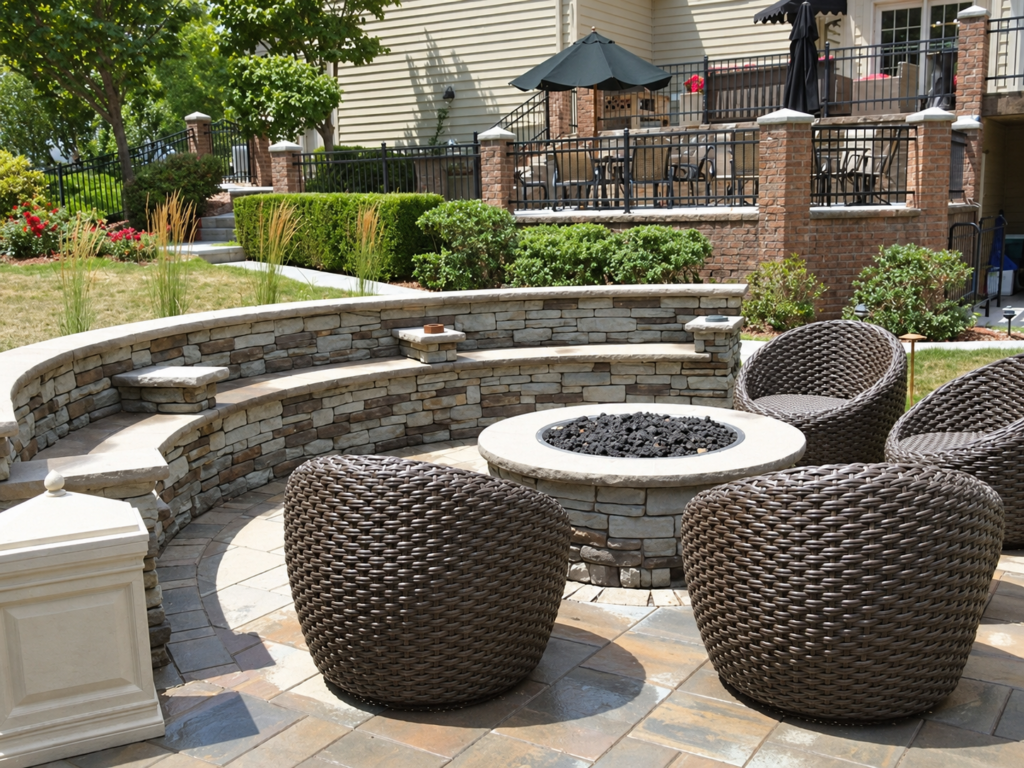
Miller Brick supplies HPC gas inserts and complete enclosures.
An insert contains the burner and ignition system for a base built by you or your contractor. An enclosure includes the surround and burner, reducing the construction needed compared with building a base from scratch.
That distinction matters for an existing patio and decide whether your project involves constructing a surround or selecting a complete unit before settling on the installation plan.
Leave Enough Room to Use the Patio Comfortably
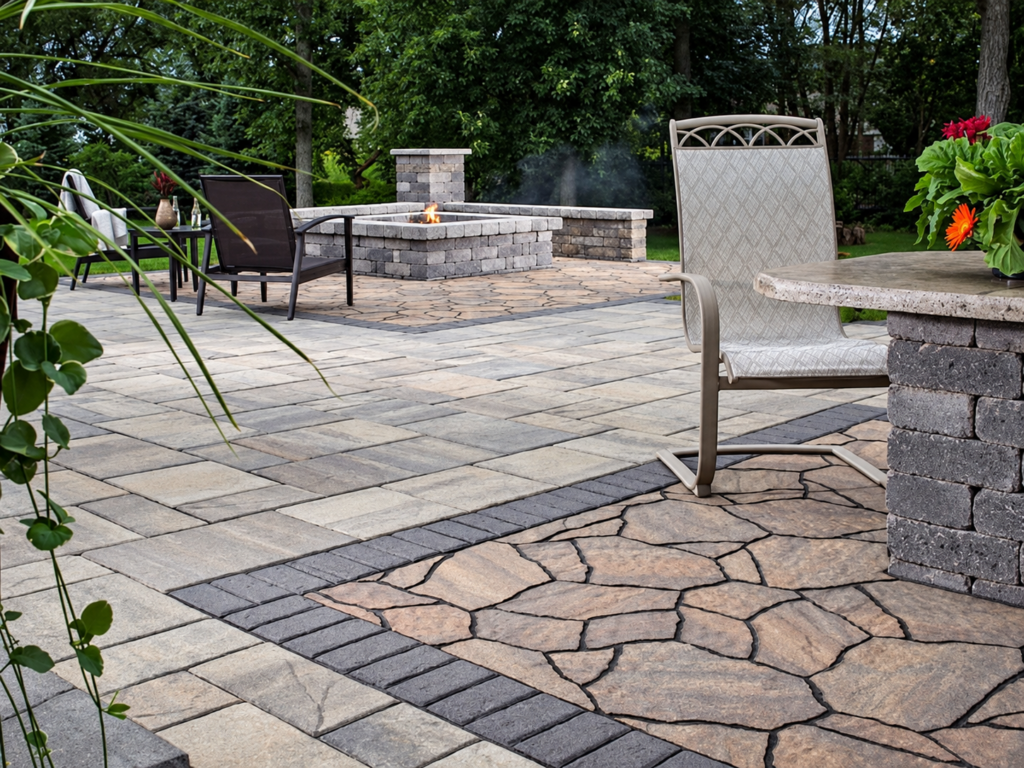
Choose the size around your seating arrangement. Miller Brick’s buying guide recommends mocking up the proposed fire pit with real chairs before buying.
A fire pit may fit within the patio’s dimensions while leaving the seating area cramped. Place chairs where you expect people to sit and consider how the arrangement feels when occupied. This helps you compare a smaller pit with a larger gathering feature before committing.
Fuel choice also changes everyday use. Wood requires storage and ash cleanup. Natural gas requires a supply line, while propane involves a tank. Include those needs in your plan rather than treating them as decisions to make after purchase.
Check Clearance and Wind Direction
A suitable location needs more than enough space for the fire pit itself. Miller Brick recommends considering nearby structures, overhead hazards, wind, and walking routes before finalizing the layout.
Check the proposed spot for:
- Nearby structures: Confirm the required clearance from the house, garage, shed, fence and deck railing.
- Overhead space: Look for low branches, roof overhangs and awnings. Covered locations require specific product approval and suitable conditions.
- Wind direction: Observe the breeze during the hours you expect to use the fire pit. Consider whether smoke could drift toward chairs, doors, windows or neighboring properties.
- Walking routes: Keep the fire pit out of main paths so people can move comfortably around the seating area.
- Installation requirements: Review the manufacturer’s instructions, local fire rules and any HOA restrictions before committing.
For a fuller placement review, read Miller Brick’s guide to where to put a backyard fire pit.
Match the Fire Pit to Your Existing Pavers
The fire pit should look like part of the patio. Compare its finish and scale with the surface you already have.
Miller Brick’s showroom lets you review materials in person, including colors, textures, and sizes that photographs may not represent clearly. Bring photos and rough measurements of your patio so the team can understand the space.
If the project involves additional paving, discuss how those materials will connect with the existing layout. Miller Brick’s paver options provide a starting point for comparing materials.
Plan Installation and Ongoing Care
Miller Brick supplies materials for DIY projects and professional builds. Its staff can recommend contractors familiar with the brands it carries and gas hookups.
After installation, wood-burning pits need ash removal, while gas burners and connection points should be checked each season. Miller Brick also carries cleaners and sealers for surrounding stone and pavers.
The patio itself needs occasional attention. Miller Brick recommends cleaning pavers as needed and reviewing suitable sealing options for Rochester’s outdoor conditions. Discuss care products for your particular material rather than assuming every surface needs the same treatment.
Explore Your Options at Miller Brick
Bring your patio photos, measurements, and fuel preference to Miller Brick’s Rochester showroom. Compare materials, discuss availability and delivery, and ask about contractor options for the installation.
Explore Miller Brick’s fire pits in Rochester, NY to begin narrowing your choices. Understanding the product and the existing patio together will help you plan the work before ordering.
FAQ
Can I add a fire pit without tearing out my existing paver patio?
Whether your pavers can stay depends on the selected fire pit’s installation requirements and the existing patio’s condition. Miller Brick identifies concrete pavers as suitable for many fire pit areas when the correct base and manufacturer guidance are followed. Confirm those requirements before assuming the patio can remain unchanged.
Can a wood-burning fire pit damage patio pavers?
An unsuitable surface can scorch, crack, or stain. Miller Brick recommends considering heat exposure, weight, drainage, and base stability when planning a fire pit area. A paver patio should not be treated as automatically suitable for direct exposure to a wood fire. Follow the selected kit’s installation instructions.
What should go underneath a fire pit on an existing paver patio?
The required base depends on the fire pit. Miller Brick recommends a stable, level, noncombustible surface and following manufacturer guidance. Its published information does not specify one universal layer of sand, gravel, or other material for every kit. Confirm the base requirements for the particular product before installation.
Does drainage matter when adding a fire pit to a patio?
Miller Brick notes that a fire pit area in a low spot can collect water. Review drainage alongside base stability and Rochester’s freeze-thaw conditions before choosing the location. Any changes to the existing patio should follow the selected product’s requirements and the installation plan.
Does a gas fire pit enclosure eliminate the need to build a surround?
An HPC enclosure includes both the surround and burner, so it requires less construction than an insert installed in a separately built base. An insert contains the burner and ignition system alone. An enclosure still needs an appropriate installation location and fuel connection.
Can I install a fire pit kit myself?
Miller Brick states that many of its DIY kits can be installed with standard masonry tools. Larger builds, gas hookups, and commercial-grade inserts are better handled by an authorized contractor. Miller Brick supplies materials and can recommend contractors experienced with its brands.
Can I choose a fire pit that matches my existing pavers?
Miller Brick carries wood-burning kits from Belgard, Cambridge, Techo-Bloc, and Unilock, with different styles, finishes, block sizes, and colors. Visit its Rochester showroom to compare options in person and find a look that complements your existing hardscape.